Email:
info@leachechem.com

Calcium hypochlorite, or “cal hypo” as we call it on site, is more than just a chemical formula; it’s a workhorse. It's the go-to disinfectant for everything from drinking water in remote camps to keeping swimming pools safe. As someone who's spent years coordinating construction projects, especially in challenging environments, I’ve seen firsthand how crucial reliable water sanitation is. A disruption in that supply chain can shut down a site faster than a rainstorm. That's where understanding the intricacies of CalciumHypochlorite exporter – sourcing, handling, and quality control – becomes absolutely vital. It’s about more than just cost; it's about safety, efficiency, and keeping projects moving.
The global demand for effective water treatment is only increasing. Growing populations, climate change impacting water sources, and a heightened focus on public health all contribute. It's not just about municipalities either. We're talking about large-scale industrial operations, disaster relief efforts – think after a hurricane or earthquake – and even maintaining hygiene standards in temporary work camps. The ability to reliably source and export high-quality CalciumHypochlorite exporter is a critical link in a chain that protects millions. We’ve had projects stalled waiting for a cal hypo shipment to clear customs, so knowing the regulations and logistical challenges is paramount.
At its core, CalciumHypochlorite exporter is a compound used to disinfect water by releasing chlorine. It's a relatively inexpensive and effective method, making it particularly important in regions with limited infrastructure or financial resources. But it’s not a ‘one-size-fits-all’ solution. Proper storage and handling are essential to maintain its potency and prevent degradation. I’ve seen firsthand what happens when cal hypo gets stored improperly – it loses its effectiveness, creating a false sense of security. That’s why partnering with a reputable CalciumHypochlorite exporter is non-negotiable.
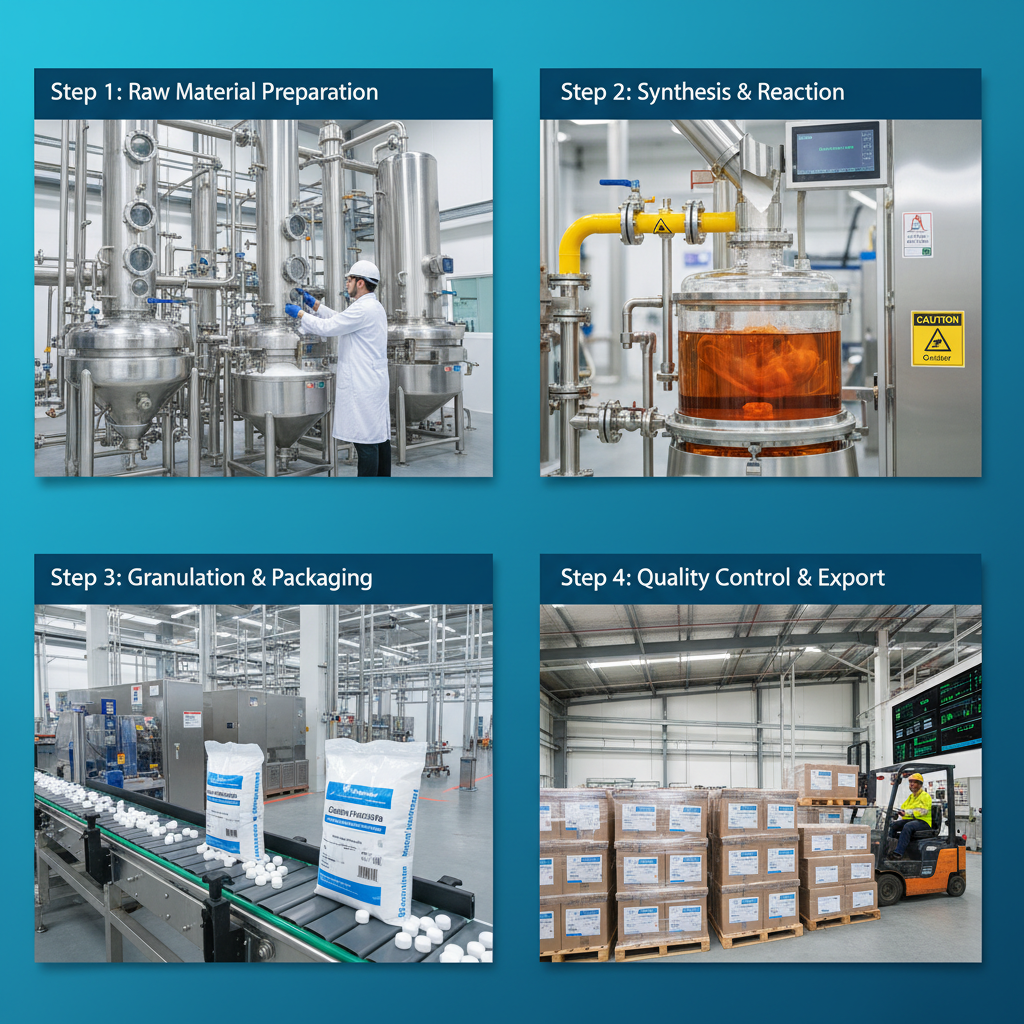
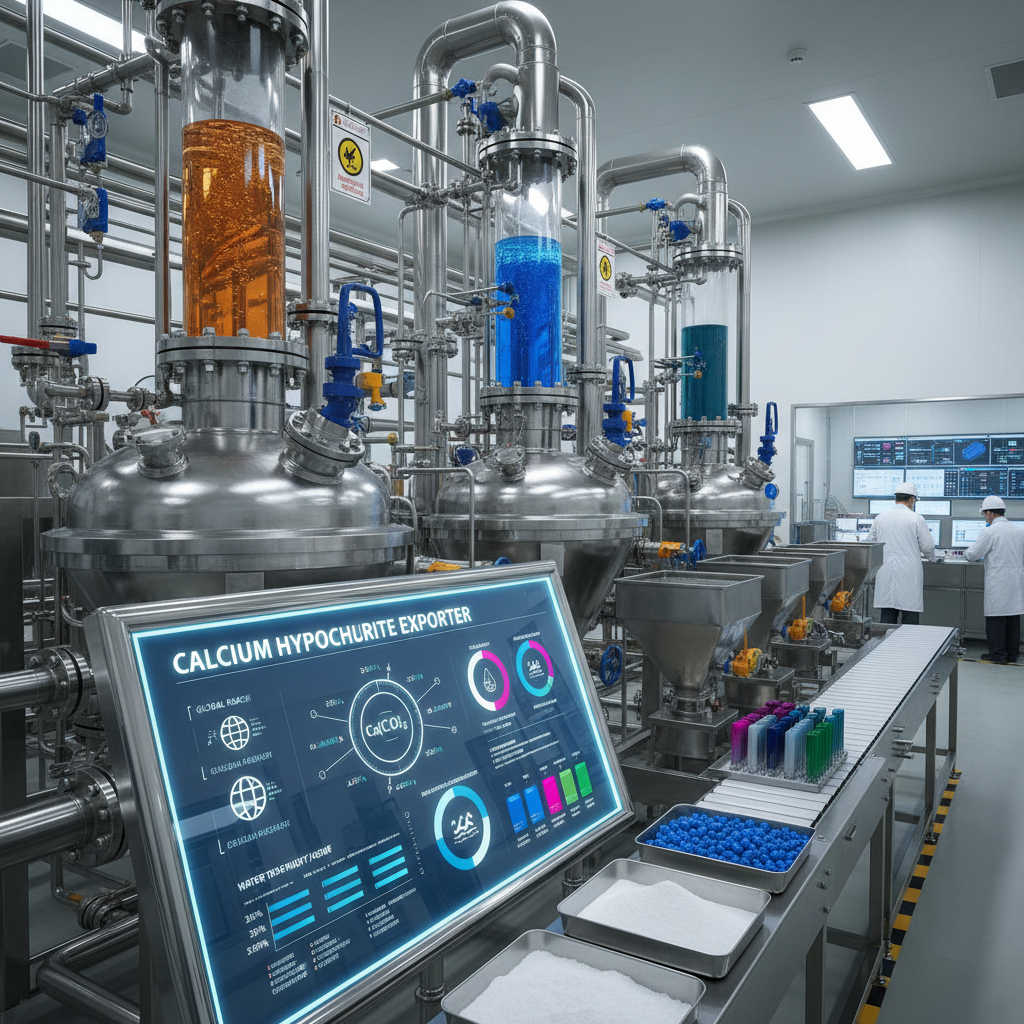
What really matters when dealing with CalciumHypochlorite exporter is understanding the different grades available. You’ve got your drinking water grade, which has the strictest purity standards, and then you have industrial grades for things like wastewater treatment. Knowing those distinctions is critical because using the wrong grade can lead to contamination or reduced effectiveness. I’ve spent too many hours troubleshooting issues because someone cut corners on quality. CalciumHypochlorite exporter understands these nuances.
From a practical standpoint, this means checking the available chlorine content, ensuring the product is free from heavy metals, and verifying it meets the required certifications for the intended application. It also means understanding the packaging. Improper packaging can lead to moisture absorption, which degrades the product and reduces its shelf life.
Typically, calcium hypochlorite has a shelf life of around two years if stored properly. Key factors include keeping it in a cool, dry, and well-ventilated area, away from direct sunlight, heat sources, and moisture. The container should be tightly sealed to prevent absorption of humidity, which will quickly degrade the available chlorine. Regularly inspect packaging for damage and re-seal if needed. Proper storage is critical to ensure its effectiveness when you need it.
The export of calcium hypochlorite is heavily regulated due to its oxidizing and potentially hazardous nature. Key regulations include the Globally Harmonized System (GHS) for classification and labeling, as well as regulations set by organizations like the International Maritime Dangerous Goods (IMDG) code for shipping. You’ll likely need an SDS (Safety Data Sheet) and specific permits or licenses depending on the destination country. REACH compliance is crucial for exporting to Europe. A reputable CalciumHypochlorite exporter will navigate these regulations for you.
Quality can vary significantly. The available chlorine content is a primary indicator, and it should consistently meet the stated specification. Suppliers should provide a Certificate of Analysis (COA) for each batch, verifying this. Also, look for consistency in particle size and absence of contaminants like heavy metals. Some suppliers cut corners, leading to lower potency or even hazardous impurities. Insisting on independent lab testing can provide added assurance.
Improper handling can lead to several risks. Moisture exposure can cause the product to decompose and release chlorine gas, which is highly corrosive and toxic. Packaging damage can result in spills, creating a hazard during transport. It’s crucial to ensure the product is properly secured, labeled, and handled by trained personnel. Emergency response procedures should be in place in case of an accidental release. A good CalciumHypochlorite exporter provides clear handling instructions and safety information.
Both granules and tablets contain calcium hypochlorite but dissolve at different rates. Granules are generally faster dissolving, making them ideal for quick disinfection in larger volumes of water. Tablets are slower dissolving, providing a sustained release of chlorine, which is suitable for maintaining residual disinfection in swimming pools or for slow-release water purification systems. The choice depends on the specific application and desired chlorine release profile.
Establishing a long-term contract with a reliable CalciumHypochlorite exporter is key. Discussing forecast demand and securing dedicated inventory allocation can help mitigate risk. Consider diversifying your supply chain by having multiple approved vendors. Also, explore options for strategic stockpiling, where feasible, to buffer against unexpected disruptions. Proactive planning and communication are crucial for maintaining a consistent supply.
In closing, CalciumHypochlorite exporter isn’t simply about moving a product from point A to point B. It’s a complex process requiring a deep understanding of chemistry, logistics, regulations, and the specific needs of diverse applications. A reliable exporter acts as a partner, ensuring consistent quality, regulatory compliance, and timely delivery – factors that directly impact public health and operational efficiency.
Looking ahead, the industry will need to focus on sustainability, traceability, and innovation. Embracing new technologies and prioritizing ethical sourcing practices will be crucial for ensuring the long-term viability of CalciumHypochlorite exporter. If you’re looking for a dependable partner for your calcium hypochlorite needs, visit our website: www.leache-chem.com