Pharmaceutical Intermediates Solutions for North Korea

Pharmaceutical Intermediates Solutions for North Korea

Providing high-quality pharmaceutical intermediates, fine chemicals, and water treatment solutions tailored for the North Korean market.

Pharmaceutical Intermediates Solutions for North Korea

Dedicated to supplying crucial chemical building blocks for pharmaceutical production in North Korea, with a focus on quality and reliability.

Current Status of the Chemical Pharmaceutical Industry in North Korea

An analysis of the challenges and opportunities facing the pharmaceutical chemical sector in North Korea.

North Korea’s pharmaceutical industry faces significant hurdles, including limited access to modern technology, international sanctions, and a constrained supply chain. The production of pharmaceutical intermediates is particularly challenging, relying heavily on imported raw materials when available. The country prioritizes self-reliance, yet struggles to fully meet its domestic needs.

The industrial infrastructure, while present, often requires modernization to meet international quality standards. Fine chemicals production is limited, impacting the development of complex pharmaceuticals. The reliance on outdated manufacturing processes affects both efficiency and the quality of the final products. 2 Bromothiophene is vital but hard to source.

Water quality is a pressing concern, driving demand for effective industrial water treatment chemicals. The lack of robust environmental regulations necessitates solutions that address both treatment efficiency and sustainability. The nation is seeking reliable suppliers who can deliver consistent quality, a challenge further complicated by the geopolitical landscape.
Historical Development and Evolution of the Chemical Pharmaceutical Industry in North Korea

Tracing the evolution of chemical pharmaceutical manufacturing in North Korea, from its origins to the present day.

Market Development History

The pharmaceutical industry in North Korea began to take shape in the mid-20th century, largely modeled after Soviet approaches. Early production focused on basic medicines and essential supplies, with limited emphasis on advanced research and development. The emphasis was on self-sufficiency, resulting in a vertically integrated, but technologically constrained, system.

During the 1980s and 90s, economic hardship and international isolation severely hampered the industry’s growth. Access to vital fine chemicals diminished, and production capabilities deteriorated. A focus on securing basic healthcare needs became paramount, often at the expense of modernization.

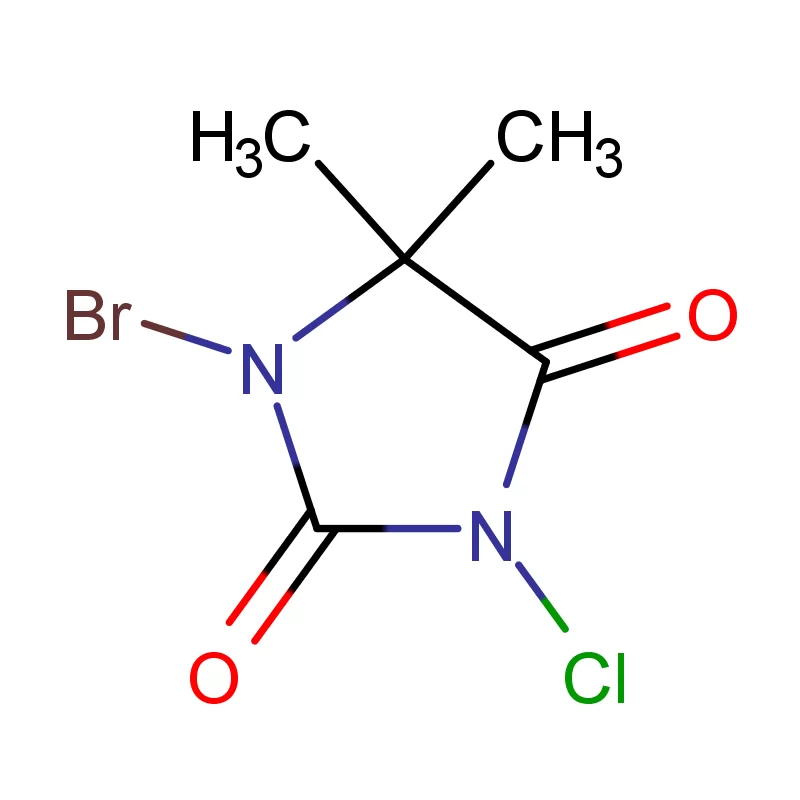
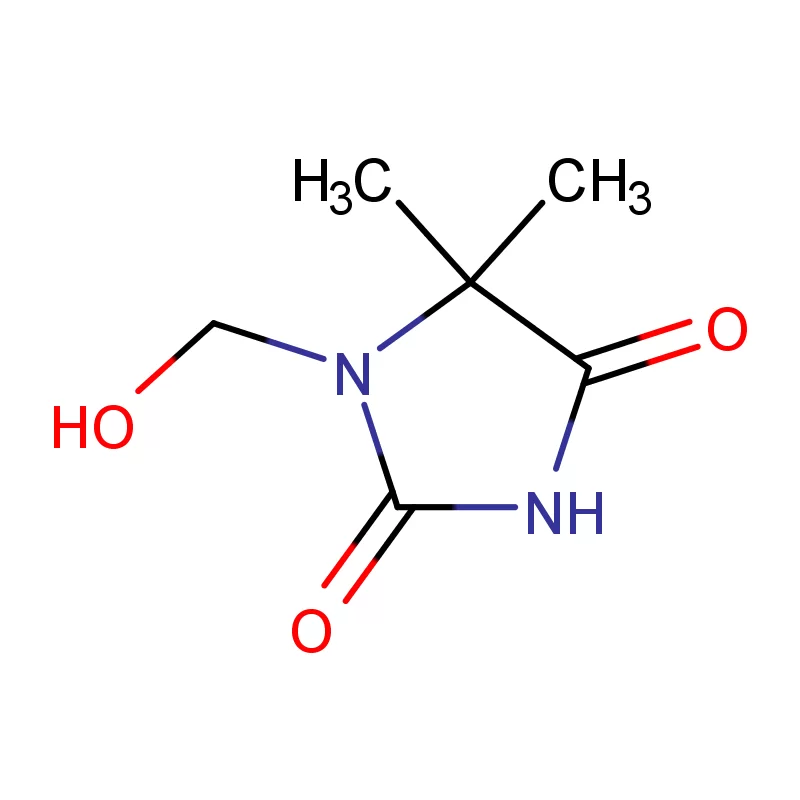
In the 21st century, a gradual shift towards limited economic opening and engagement with international partners has occurred. The demand for advanced pharmaceuticals and specialized chemical intermediates, like 5 5 Dimethyl Hydantoin, began to rise. However, progress remains slow due to ongoing sanctions and logistical challenges.

Future Development Trends

Increased Focus on API Production

There's a growing trend toward increasing domestic Active Pharmaceutical Ingredient (API) production to reduce reliance on imports, albeit constrained by technological limitations.

Adoption of Green Chemistry Principles

Increased awareness of environmental concerns and limited resource availability will drive the adoption of more sustainable “green chemistry” practices in industrial water treatment chemicals production.

Digitalization and Automation

Limited investments in digitalization and automation aim to improve efficiency and quality control, but the pace of adoption will be slow.

Industry Trends and Future Outlook for Chemical Pharmaceutical Manufacturing in North Korea

Exploring emerging trends and forecasting the future of the chemical pharmaceutical landscape in North Korea.

Increased Demand for Specialized Intermediates
Rising focus on producing more complex pharmaceuticals will drive demand for specialized pharmaceutical intermediates.
Growing Need for Water Purification Solutions
Increasing industrial activity and population growth will escalate demand for advanced industrial water treatment chemicals.
Increased Focus on Quality Control
Stricter regulations and export demands will drive investments in improved quality control processes and analytical capabilities.
Demand for Sustainable Chemical Practices
Growing awareness of environmental impact will push for more sustainable and eco-friendly chemical manufacturing processes.

Industry Outlook

The North Korean pharmaceutical industry faces considerable obstacles, but potential for growth exists with increased international cooperation and investment. Success hinges on modernizing infrastructure, attracting skilled labor, and adhering to international quality standards.

The long-term outlook remains uncertain, heavily influenced by geopolitical factors and the nation's economic policies. However, a consistent need for pharmaceuticals and essential chemicals will continue to drive demand, presenting opportunities for strategic partnerships.

Local Application Scenarios in North Korea

Real-world applications of chemical intermediates and water treatment solutions within the North Korean context.

1. Pharmaceutical Production for Essential Medicines

Supplying pharmaceutical intermediates for the local production of essential medicines such as antibiotics and anti-malarials, addressing critical healthcare needs.

2. Water Purification in Hospitals and Clinics

Providing industrial water treatment chemicals to ensure the availability of safe and clean water in healthcare facilities, preventing waterborne diseases.

3. Agricultural Chemical Manufacturing

Utilizing fine chemicals in the production of agricultural inputs to enhance crop yields and improve food security.

4. Industrial Wastewater Treatment

Implementing advanced industrial water treatment chemicals solutions for factories and industrial plants to mitigate environmental pollution.

5. Research and Development of New Drugs

Supplying 2 Bromothiophene for research laboratories conducting studies on novel pharmaceutical compounds.

Brand Story

The Global Development Journey of Hebei Lishe Chemical Technology Co., Ltd.

Foundation and Commitment to Quality

Founded on a commitment to delivering high-quality chemical solutions, we began by focusing on the development of core chemical intermediates.

Expansion into Pharmaceutical Intermediates

Recognizing the critical need for reliable pharmaceutical building blocks, we expanded our product line to include a comprehensive range of pharmaceutical intermediates.

Investment in R&D and Innovation

We invested heavily in research and development to improve product purity, efficiency, and sustainability.

Global Reach and Partnerships

Expanded our global presence through strategic partnerships, bringing our expertise to new markets.

Dedicated to Sustainable Solutions

Committed to environmentally responsible practices and providing sustainable chemical solutions.

Complete Product Portfolio for the Region

A wide range of chemical solutions tailored to meet the needs of North Korean industries.

Frequently Asked Questions (North Korea)

Addressing common queries regarding our products and services in the North Korean market.

What is your process for ensuring product quality for pharmaceutical intermediates destined for North Korea?

We implement stringent quality control measures at every stage of production, including rigorous testing and analysis, adhering to international standards and providing Certificates of Analysis with each shipment.

Do you have experience navigating the logistical challenges of exporting chemicals to North Korea?

Yes, we have established a network of trusted logistics partners with expertise in handling shipments to North Korea, ensuring compliance with all relevant regulations and efficient delivery.

What types of industrial water treatment chemicals are best suited for North Korean factories?

We offer a range of industrial water treatment chemicals specifically designed for challenging environments, including coagulants, flocculants, and biocides, tailored to address common water quality issues in North Korean industrial facilities.

Can you provide custom synthesis of specialized fine chemicals not listed in your catalog?

Yes, we offer custom synthesis services to meet specific requirements, leveraging our experienced chemists and advanced facilities to produce specialized fine chemicals.

How do you ensure the safe handling and transportation of hazardous chemicals to North Korea?

We adhere to strict safety protocols for handling and packaging hazardous chemicals, complying with all international transport regulations and providing comprehensive safety data sheets (SDS).

What documentation is required for importing 5 5 Dimethyl Hydantoin into North Korea?

Required documentation typically includes a commercial invoice, packing list, certificate of origin, and any necessary import permits or licenses, which we can assist in preparing.

Get in Touch

Contact us today to discuss your chemical needs in North Korea and discover how our solutions can support your business.

Contact Us Now

If you are interested in our products, you can choose to leave your information here, and we will be in touch with you shortly.