Pharmaceutical Intermediates Solutions for the UK Market

Pharmaceutical Intermediates Solutions for the UK Market

Providing high-quality chemical compounds and tailored solutions for pharmaceutical manufacturers in Europe.

Pharmaceutical Intermediates Solutions for the UK Market

Delivering advanced chemical building blocks for pharmaceutical research and production in the United Kingdom.

The Current State of Pharmaceutical Manufacturing in the UK

Analyzing the challenges and opportunities within the UK's pharmaceutical chemical landscape.

The United Kingdom boasts a strong pharmaceutical sector, driven by substantial investment in research and development. However, recent geopolitical factors and supply chain disruptions have presented challenges for sourcing key pharmaceutical intermediates. Brexit has introduced new complexities regarding import/export regulations, requiring manufacturers to diversify their sourcing strategies.

The UK’s stringent regulatory environment, overseen by the Medicines and Healthcare products Regulatory Agency (MHRA), demands consistently high-quality fine chemicals. This emphasis on quality control creates a demand for reliable suppliers with robust quality assurance systems. The sector is also heavily focused on sustainability and green chemistry principles.

Geographically, pharmaceutical manufacturing hubs are concentrated in regions like Cambridge, Oxford, and the North West of England. These clusters benefit from proximity to leading universities and research institutions, fostering innovation and collaboration. 2 Bromothiophene and specialized chemical reagents are essential components in many UK-based research projects.
Evolution of Pharmaceutical Chemical Manufacturing in the UK

Tracing the development of chemical synthesis and sourcing for pharmaceutical applications.

Market Development History

In the early 20th century, pharmaceutical chemical manufacturing in the UK was largely focused on the extraction of natural products. Post-World War II, the industry transitioned towards synthetic chemistry, with the rise of large pharmaceutical companies investing heavily in R&D. The 1980s saw the emergence of generic drug manufacturing, increasing demand for cost-effective pharmaceutical intermediates.

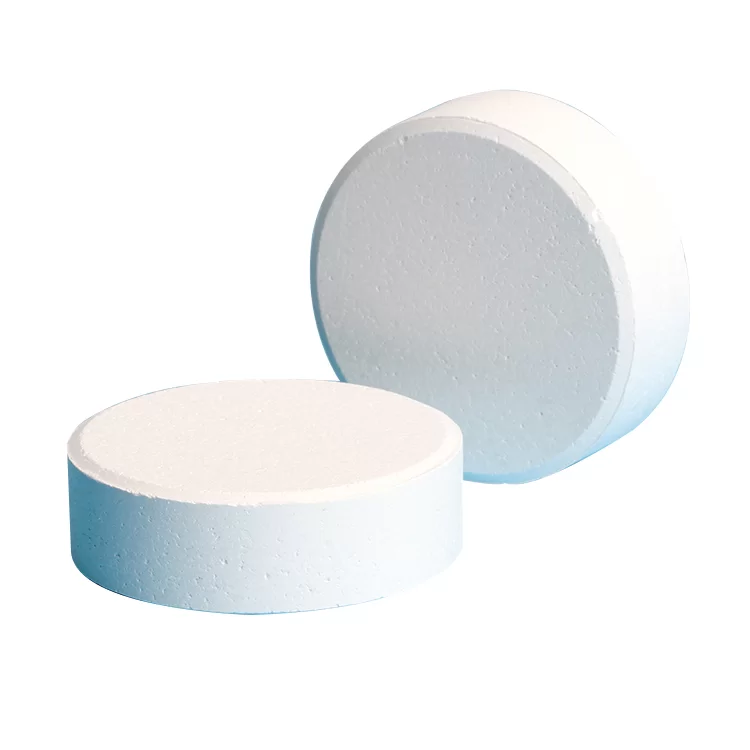
The late 1990s and early 2000s witnessed a shift towards outsourcing manufacturing to Asia, driven by lower production costs. However, recent supply chain vulnerabilities have prompted a re-evaluation of this strategy, with a renewed interest in regional sourcing. The demand for industrial water treatment chemicals for pharmaceutical production also grew due to increasing environmental regulations.

The past decade has seen advancements in continuous flow chemistry and biocatalysis, offering more sustainable and efficient routes to synthesize complex molecules. The increasing complexity of drug molecules has fueled the demand for highly specialized fine chemicals and innovative synthetic methodologies.

Future Development Trends

Green Chemistry and Sustainable Manufacturing

The future of pharmaceutical chemical manufacturing in the UK will be increasingly focused on green chemistry principles. This includes utilizing renewable feedstocks, minimizing waste generation, and developing environmentally friendly processes. Expect to see increased adoption of biocatalysis and flow chemistry.

Digitalization and Automation

Digitalization and automation will play a crucial role in enhancing efficiency and reducing costs. Artificial intelligence (AI) and machine learning (ML) will be used for process optimization, quality control, and predictive maintenance.

Personalized Medicine and Small-Batch Manufacturing

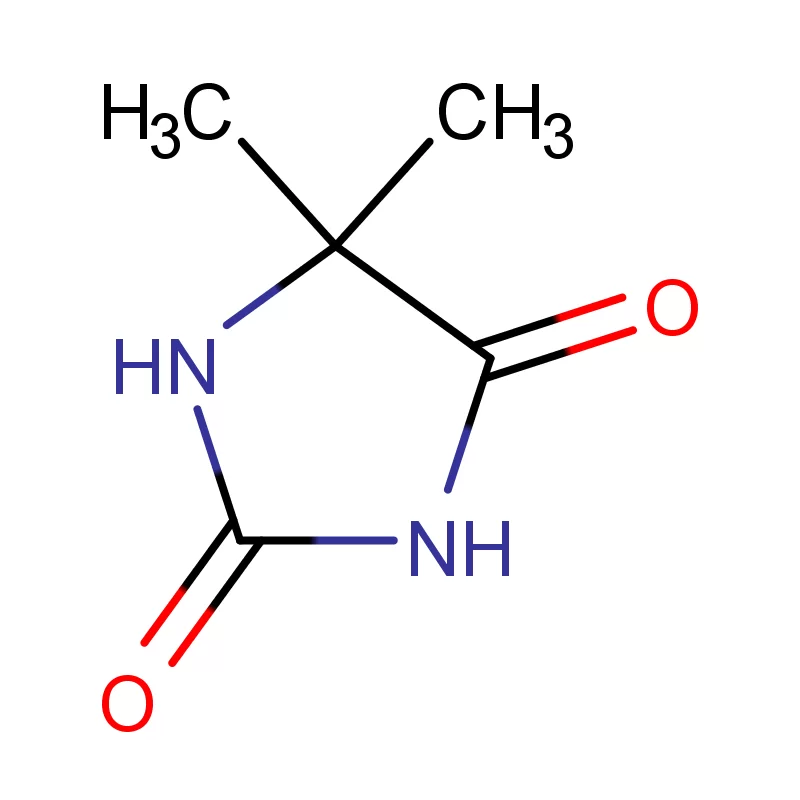
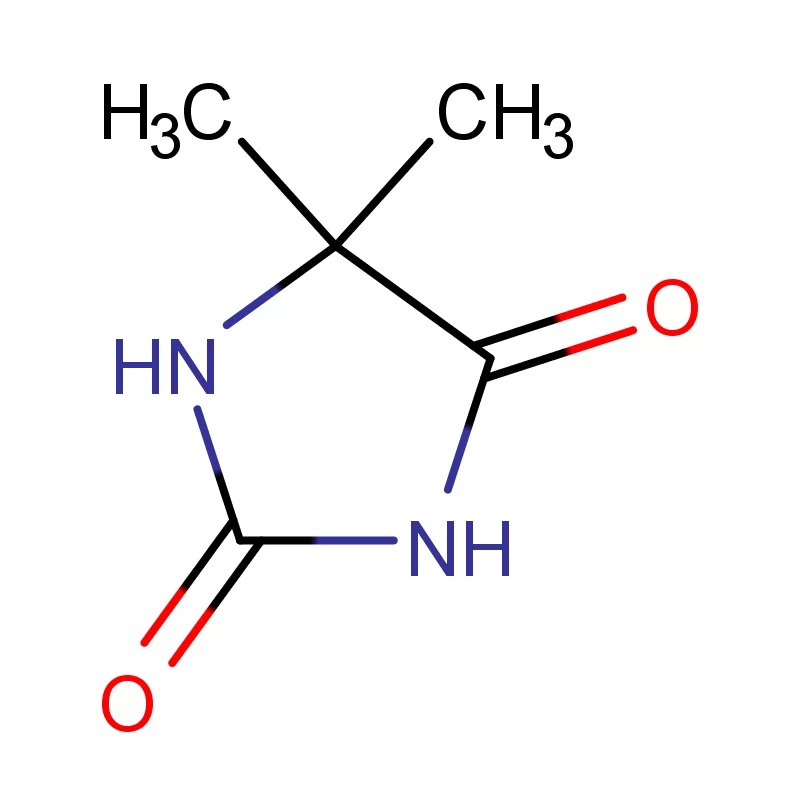
The rise of personalized medicine will drive demand for small-batch manufacturing of highly specialized 5 5 Dimethyl Hydantoin and other customized chemical entities. This will require flexible and adaptable manufacturing facilities.

Industry Trends and Future Outlook for Pharmaceutical Chemicals in the UK

Forecasting the key developments and challenges for the pharmaceutical chemical sector.

Increased Demand for High-Purity Chemicals
The evolving needs of innovative drug development and advanced therapies are driving demand for ultra-high-purity chemical compounds.
Supply Chain Resilience
Manufacturers are actively seeking to diversify their supply chains and build greater resilience against disruptions, favouring regional suppliers.
Focus on API Manufacturing
There's a growing trend towards bringing Active Pharmaceutical Ingredient (API) manufacturing back to the UK, driven by security of supply concerns.
Growing Adoption of Continuous Manufacturing
Continuous manufacturing processes are gaining traction, offering increased efficiency, reduced waste, and improved product quality.

Industry Outlook

The UK pharmaceutical chemical industry is poised for continued growth, driven by innovation in drug development and a renewed focus on domestic manufacturing. Companies that can offer high-quality products, sustainable solutions, and supply chain resilience will be best positioned to succeed. Demand for specialized industrial water treatment chemicals will increase.

Government initiatives aimed at supporting the pharmaceutical sector and promoting investment in research and development will further fuel growth. Collaboration between industry, academia, and government will be crucial for driving innovation and addressing the challenges facing the sector.

Local Applications of Pharmaceutical Chemicals in the UK

Exploring real-world applications of specialized chemical compounds in the British pharmaceutical landscape.

1. Formulation Development in Cambridge

Researchers at the University of Cambridge utilize high-purity fine chemicals to develop novel drug formulations with enhanced bioavailability and targeted delivery systems.

2. API Synthesis in the North West

Manufacturing facilities in the North West of England rely on consistent supplies of pharmaceutical intermediates for the large-scale synthesis of Active Pharmaceutical Ingredients (APIs).

3. Biopharmaceutical Production in Oxford

Biopharmaceutical companies in Oxford utilize specialized chemical reagents for the purification and analysis of monoclonal antibodies and other complex biologics.

4. Water Purification in Pharmaceutical Plants

Pharmaceutical manufacturers across the UK employ advanced industrial water treatment chemicals to ensure the purity and quality of water used in their production processes, meeting stringent regulatory requirements.

5. Research and Development of Novel Thiophene Derivatives

Universities and research institutions across the UK are actively investigating the use of 2 Bromothiophene as a building block for novel pharmaceutical compounds with potential therapeutic applications.

Brand Story

The Global Development Journey of Hebei Lisheng Chemical Technology Co., Ltd.

Foundation and Commitment to Quality

Founded in 2008, Hebei Lisheng Chemical Technology Co., Ltd. began with a singular focus: delivering consistently high-quality chemical compounds to meet the stringent demands of the pharmaceutical industry.

Expansion into International Markets

In 2015, we expanded our reach into international markets, establishing partnerships with leading pharmaceutical manufacturers in Europe and beyond.

Investment in Advanced Technologies

We invested heavily in advanced manufacturing technologies and quality control systems to ensure the purity and consistency of our products.

Focus on Sustainable Chemistry

Committed to environmental responsibility, we adopted sustainable chemistry practices to minimize our environmental impact.

Dedicated to Customer Success

We remain dedicated to providing exceptional customer service and building long-term partnerships based on trust and mutual success.

Comprehensive Product Portfolio for the UK Region

A wide range of chemical building blocks and specialized compounds tailored to the needs of the UK pharmaceutical industry.

Frequently Asked Questions - UK Pharmaceutical Chemical Market

Addressing common questions about sourcing chemicals for pharmaceutical manufacturing in the United Kingdom.

What are the key regulatory requirements for importing pharmaceutical intermediates into the UK?

Importing pharmaceutical intermediates into the UK requires compliance with MHRA guidelines, including adherence to Good Manufacturing Practice (GMP) standards and proper documentation for batch traceability.

Do you offer custom synthesis services for specialized pharmaceutical chemicals?

Yes, we provide custom synthesis services tailored to the specific requirements of our clients. Our experienced chemists can synthesize complex molecules to meet your precise specifications.

What quality control measures are in place to ensure the purity of your pharmaceutical intermediates?

We employ rigorous quality control measures throughout the manufacturing process, including HPLC, GC-MS, NMR, and other analytical techniques to verify the purity and identity of our products.

What is your lead time for supplying 5 5 Dimethyl Hydantoin to UK customers?

Lead times vary depending on the quantity and complexity of the order. Typically, standard products are shipped within 7-10 business days.

Can you provide documentation to support regulatory filings for pharmaceutical products?

Yes, we provide comprehensive documentation, including Certificates of Analysis (COAs), Material Safety Data Sheets (MSDS), and other relevant documents to support your regulatory filings.

Do you offer industrial water treatment chemicals specifically designed for pharmaceutical manufacturing applications?

Yes, we supply a range of high-purity water treatment chemicals formulated to meet the stringent requirements of pharmaceutical manufacturing processes, ensuring compliance with industry standards.

Get in Touch with Our UK Team

We are committed to providing exceptional service and support to our customers across Europe, including the United Kingdom.

Contact Us Now

If you are interested in our products, you can choose to leave your information here, and we will be in touch with you shortly.