Pharmaceutical Intermediates Solutions for Zimbabwe

Pharmaceutical Intermediates Solutions for Zimbabwe

Supplying high-quality pharmaceutical intermediates, fine chemicals, and water treatment solutions to the Zimbabwean market.

Pharmaceutical Intermediates Solutions for Zimbabwe

Providing a comprehensive range of pharmaceutical intermediates and fine chemicals tailored to the needs of the Zimbabwean pharmaceutical industry.

Current Status of the Pharmaceutical Industry in Zimbabwe

An overview of the pharmaceutical manufacturing landscape in Zimbabwe and its challenges.

Zimbabwe’s pharmaceutical sector is currently facing challenges related to limited local manufacturing capacity, reliance on imports, and currency fluctuations. The demand for pharmaceutical intermediates is driven by a growing population and increasing healthcare needs. However, access to essential medicines remains a concern due to economic constraints.

The Zimbabwean climate, with its distinct wet and dry seasons, impacts the storage and transportation of sensitive chemical compounds like fine chemicals. Maintaining the cold chain for temperature-sensitive materials is crucial for preserving product integrity, requiring investment in robust logistics infrastructure.

Economic instability impacts the affordability and availability of raw materials needed for pharmaceutical production, including 2 Bromothiophene. Local manufacturers are often forced to seek more cost-effective alternatives, potentially compromising quality. The need for reliable suppliers of high-quality intermediates is paramount.

Evolution of the Pharmaceutical Manufacturing Sector in Zimbabwe

Tracing the development of pharmaceutical manufacturing from traditional methods to modern practices.

Market Development History

Prior to the 1990s, Zimbabwe had a relatively robust pharmaceutical manufacturing base, producing a significant portion of its essential medicines. This era relied on basic chemical synthesis and formulation techniques. The liberalization of the economy in the 1990s led to increased competition from imports, impacting local production.

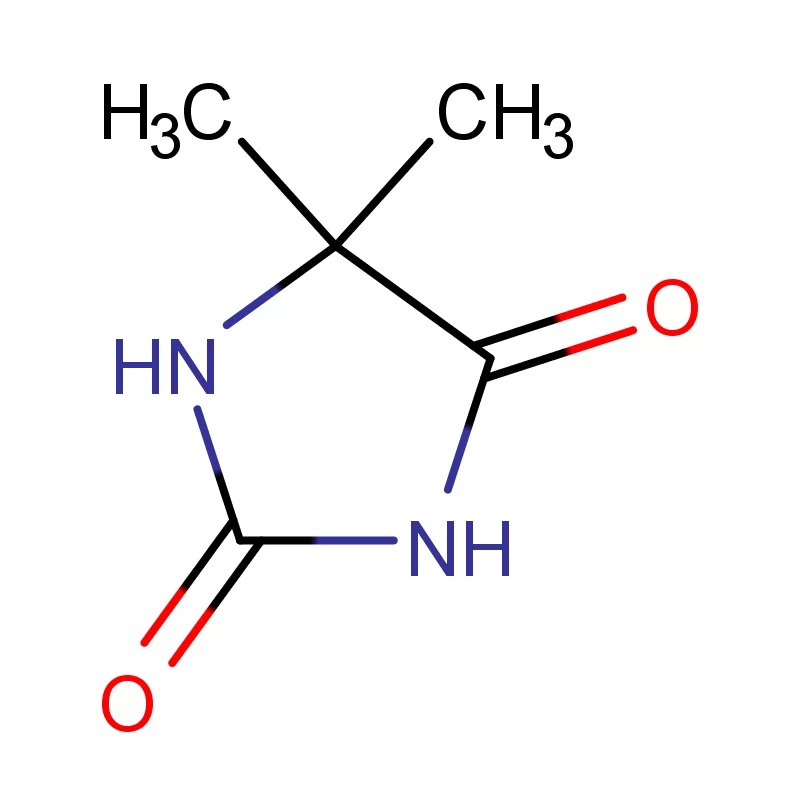
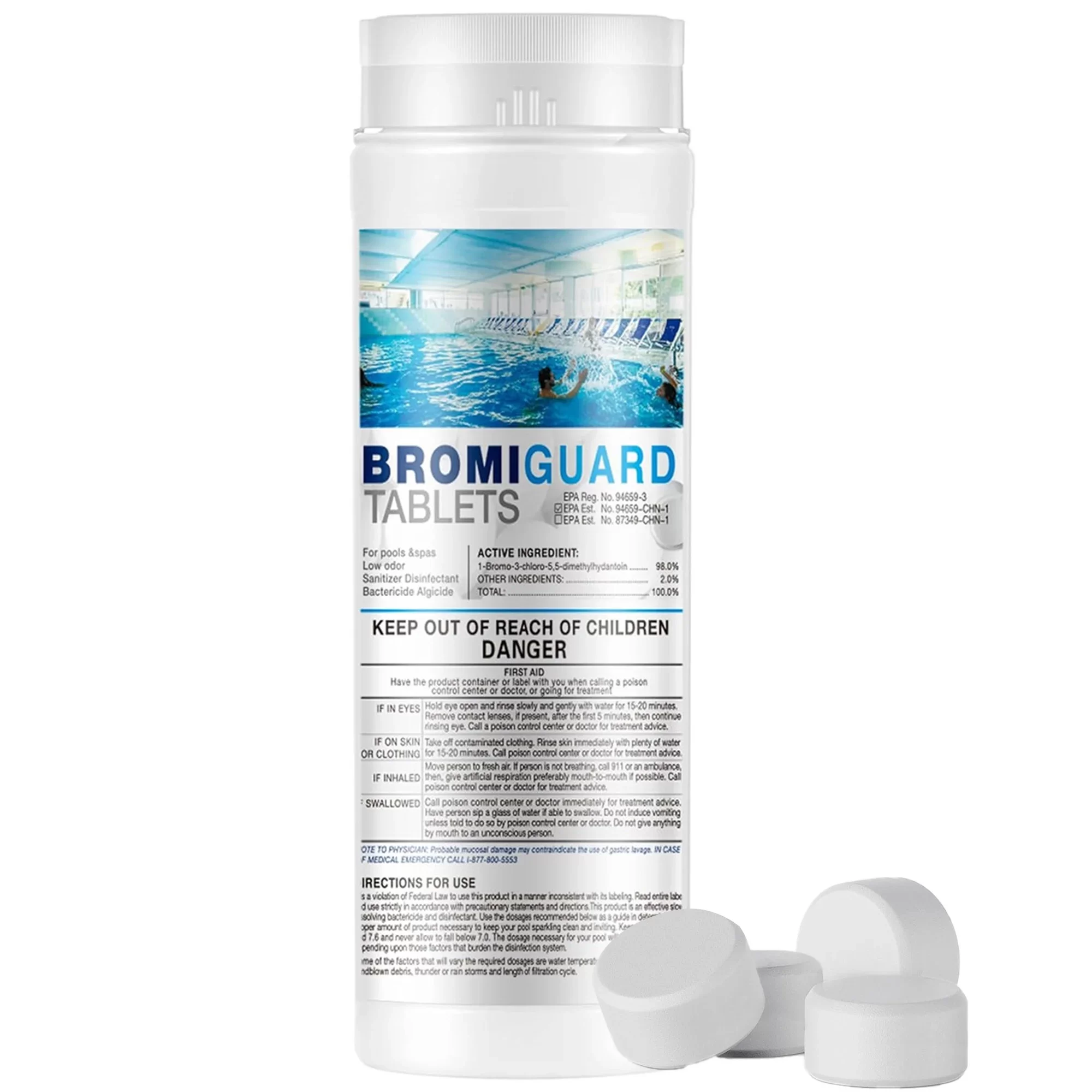
The early 2000s saw a decline in local manufacturing due to economic challenges, including hyperinflation and foreign currency shortages. This period was characterized by a heavy reliance on imported finished products and raw materials like 5 5 Dimethyl Hydantoin. The focus shifted towards distribution and retail.

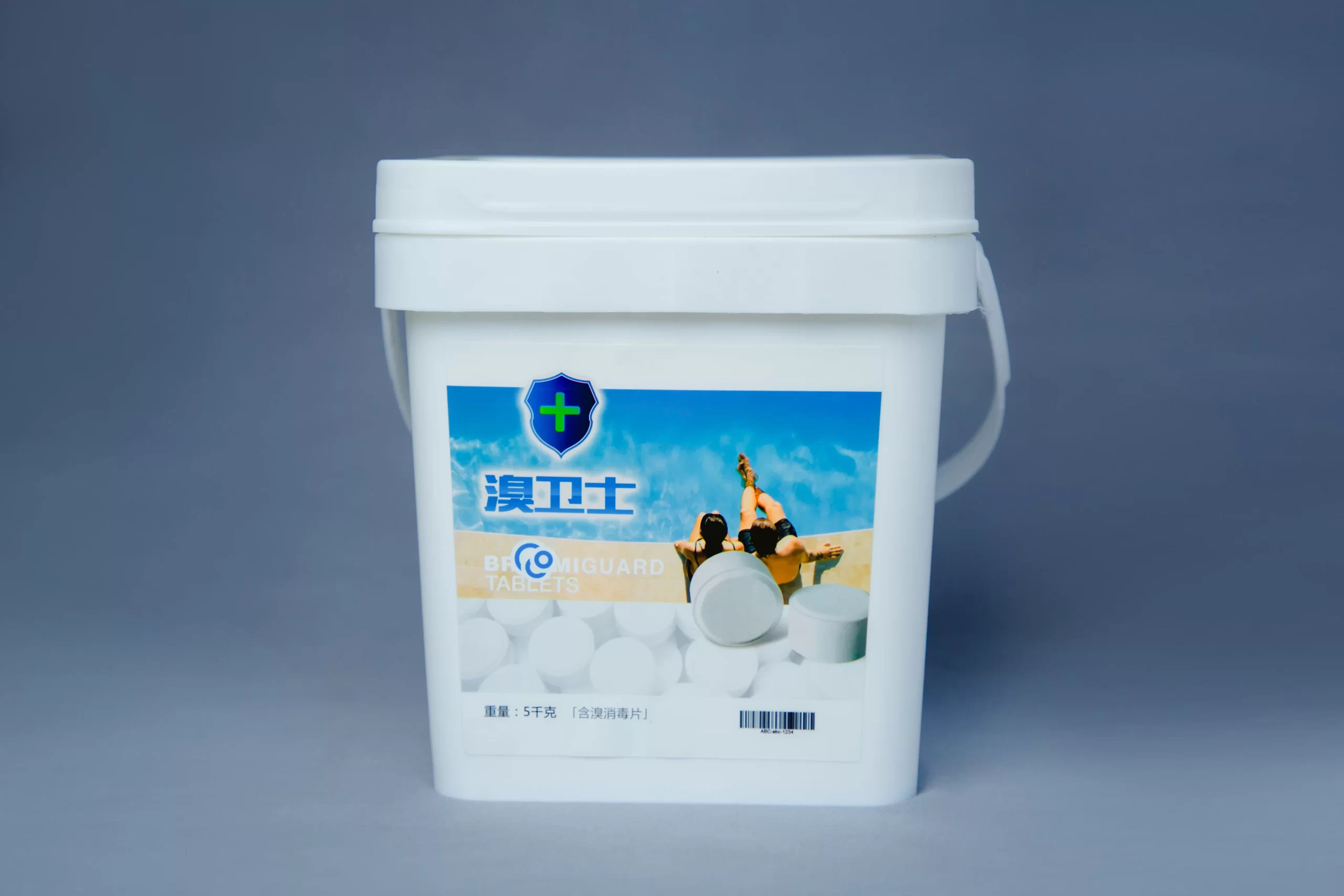
In recent years, there's been a renewed focus on reviving local manufacturing, driven by government policies promoting import substitution and investment in the pharmaceutical sector. This includes the adoption of modern manufacturing technologies and quality control systems, focusing on industrial water treatment chemicals for maintaining clean manufacturing environments.

Future Development Trends

Advanced Manufacturing Technologies

The future will see an increased adoption of continuous manufacturing, automation, and data analytics to improve efficiency and reduce costs. These technologies enable precise control over the production process, enhancing product quality and reducing waste.

Focus on API Production

There's a growing trend towards local production of active pharmaceutical ingredients (APIs) to reduce reliance on imports and enhance self-sufficiency. This requires significant investment in research and development and specialized manufacturing facilities.

Sustainable Manufacturing Practices

The pharmaceutical industry is increasingly focused on sustainability, including reducing environmental impact and minimizing waste. This involves adopting green chemistry principles, optimizing resource utilization, and implementing responsible waste management practices.


Industry Trends and Future Outlook for Pharmaceutical Manufacturing in Zimbabwe

Analyzing the key trends shaping the future of the pharmaceutical industry in Zimbabwe.

Increased Demand for Generic Medicines
The rising cost of healthcare and increasing prevalence of chronic diseases will drive demand for affordable generic medicines in Zimbabwe.
Growing Focus on Quality Control
Stricter regulatory requirements and increased awareness of counterfeit medicines will drive demand for robust quality control systems and analytical testing services.
Increased Investment in Local Manufacturing
Government incentives and private sector investment will drive the expansion of local pharmaceutical manufacturing capacity, creating jobs and reducing import dependence.
Digital Transformation
Implementation of digital technologies, such as electronic health records and supply chain management systems, will improve efficiency and transparency in the pharmaceutical sector.

Industry Outlook

The Zimbabwean pharmaceutical market is poised for growth in the coming years, driven by increasing healthcare spending, a growing population, and government initiatives to promote local manufacturing. However, challenges remain, including currency instability, limited access to finance, and regulatory hurdles.

Success in the Zimbabwean market will require companies to adopt innovative strategies, invest in quality control, and build strong relationships with local stakeholders. Providing reliable access to essential pharmaceutical intermediates and fine chemicals will be critical for supporting the growth of the local pharmaceutical industry.

Local Application Scenarios

Specific examples of how our products are used in the Zimbabwean market.

1. Pharmaceutical Manufacturing

Our pharmaceutical intermediates are used by local manufacturers to produce essential medicines, including antibiotics, anti-malarials, and pain relievers, addressing critical healthcare needs in Zimbabwe.

2. Water Purification in Hospitals

Our industrial water treatment chemicals are utilized in hospitals and clinics across Zimbabwe to ensure the supply of safe and clean water for patients and medical procedures.

3. API Synthesis

Local API manufacturers leverage our fine chemicals to synthesize active pharmaceutical ingredients, reducing reliance on imports and building local capacity.

4. Quality Control Laboratories

Analytical laboratories use our high-purity chemicals as reference standards for quality control testing of pharmaceutical products, ensuring compliance with international standards.

5. Research and Development

Research institutions utilize our 2 Bromothiophene and other specialized compounds for pharmaceutical research and development activities, contributing to innovation in the sector.

Brand Story

The global development journey of Hebei Leishe Chemical Technology Co., Ltd.

Foundational Commitment to Quality

Established in 2008, Hebei Leishe Chemical Technology Co., Ltd. began with a simple mission: to provide consistently high-quality chemical intermediates to the global pharmaceutical industry.

Expansion and Diversification

Over the next decade, we expanded our product portfolio to include a wide range of fine chemicals, APIs, and specialty chemicals, serving diverse industries.

Focus on Sustainable Practices

We committed to sustainable manufacturing processes, minimizing our environmental impact and ensuring responsible chemical handling.

Global Reach and Partnerships

We established a global network of distributors and partners, enabling us to serve customers in over 50 countries, including Zimbabwe.

Dedicated to Customer Success

Our unwavering commitment to customer satisfaction and technical support drives us to continuously improve and innovate, providing tailored solutions to meet the evolving needs of our clients.

Frequently Asked Questions (Zimbabwe)

Common questions from our customers in Zimbabwe.

What is the lead time for delivery of pharmaceutical intermediates to Zimbabwe?

Lead times vary depending on the product and shipping method, but typically range from 4-8 weeks. We offer expedited shipping options for urgent orders.

Do you provide documentation required for import regulations in Zimbabwe?

Yes, we provide all necessary documentation, including Certificates of Analysis, Material Safety Data Sheets (MSDS), and Commercial Invoices, to facilitate smooth import procedures in Zimbabwe.

What payment methods do you accept for orders from Zimbabwe?

We accept wire transfers and letters of credit for orders from Zimbabwe. We can discuss alternative payment options on a case-by-case basis.

Are your products compliant with Zimbabwean pharmaceutical standards?

Our products meet or exceed international pharmaceutical standards, and we can provide documentation to demonstrate compliance with Zimbabwean regulatory requirements.

Do you offer custom synthesis of pharmaceutical intermediates?

Yes, we offer custom synthesis services for pharmaceutical intermediates and fine chemicals. We can work with you to develop and manufacture compounds to your specific requirements.

What is your quality control process for ensuring the purity of 2 Bromothiophene?

We employ rigorous quality control procedures, including GC-MS, HPLC, and NMR analysis, to ensure the purity and identity of 2 Bromothiophene. Each batch is tested before release to meet stringent specifications.

Get in Touch with Us

We are committed to providing reliable chemical solutions to our customers in Africa - Zimbabwe. Contact us today to discuss your requirements.

Contact Us Now

If you are interested in our products, you can choose to leave your information here, and we will be in touch with you shortly.