Establishing a world-class Cyanuric Acid factory is a cornerstone for industries relying on stabilization and disinfection, particularly in the global water treatment and polymer sectors. As a critical chemical intermediate, Cyanuric Acid serves as the primary precursor for chlorinated isocyanurates, which are essential for maintaining sanitary conditions in swimming pools, spas, and industrial cooling towers worldwide.
The complexity of operating a modern Cyanuric Acid factory lies in the delicate balance between high-yield chemical synthesis and stringent environmental safety protocols. By leveraging advanced thermal decomposition of urea and precise catalyst management, manufacturers can produce high-purity crystals that meet international pharmaceutical and industrial standards, ensuring consistency for downstream applications.
Understanding the operational dynamics of a Cyanuric Acid factory allows procurement managers and engineers to better evaluate supply chain reliability and product quality. From reducing chlorine degradation under UV light to providing a stable base for fine chemical synthesis, the output of these facilities is indispensable for public health and industrial efficiency.
Global Industry Context of Cyanuric Acid Production
The global demand for pool and spa water treatment chemicals has surged, placing immense pressure on every Cyanuric Acid factory to scale production while maintaining ISO-certified quality. With the rise of urban leisure infrastructure in Asia and the Middle East, the need for UV-stabilized chlorine sources has become a matter of public safety and hygiene, aligning with World Health Organization (WHO) guidelines for water sanitation.
However, the industry faces a significant challenge: the volatility of raw material costs and the strict emission regulations imposed by environmental agencies. A sophisticated Cyanuric Acid factory must now integrate circular economy principles, capturing byproduct ammonia and recycling heat to reduce the carbon footprint of the chemical synthesis process.
Defining the Role of a Cyanuric Acid Factory
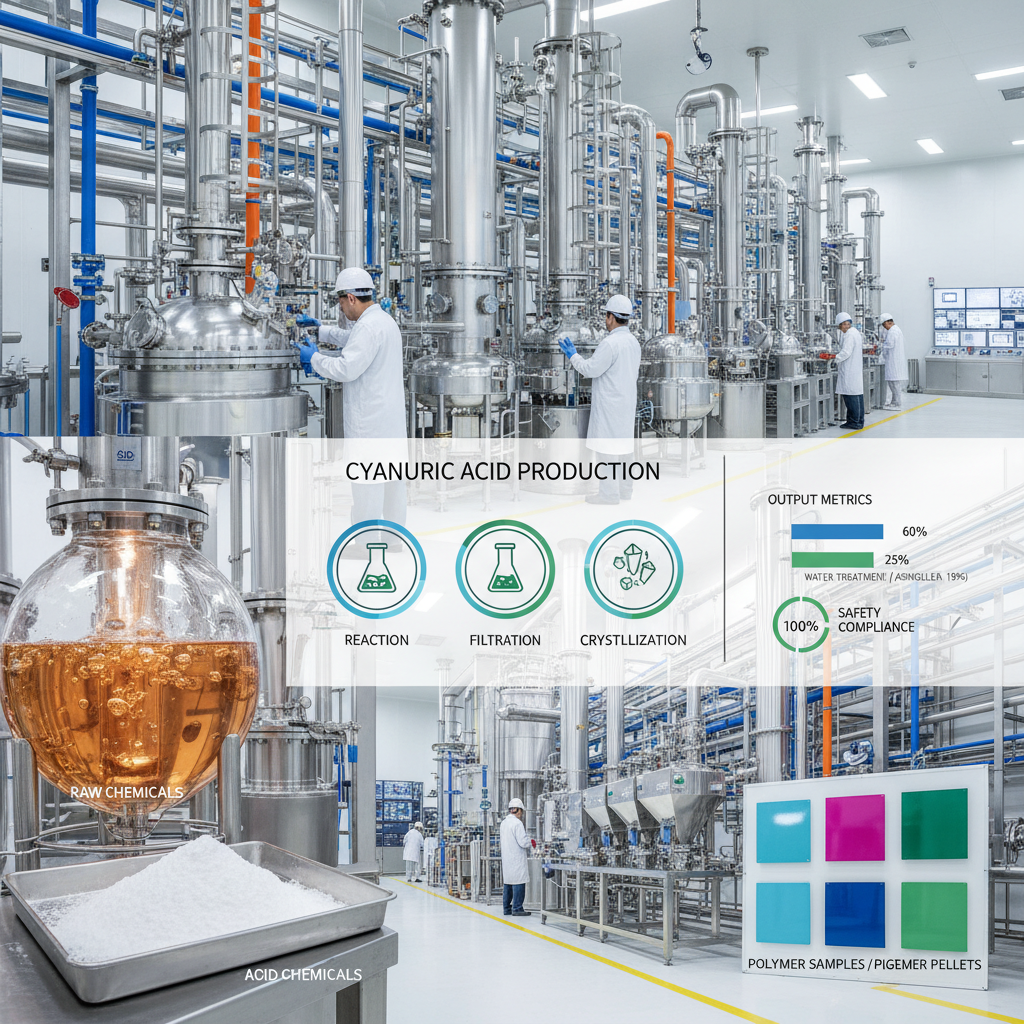
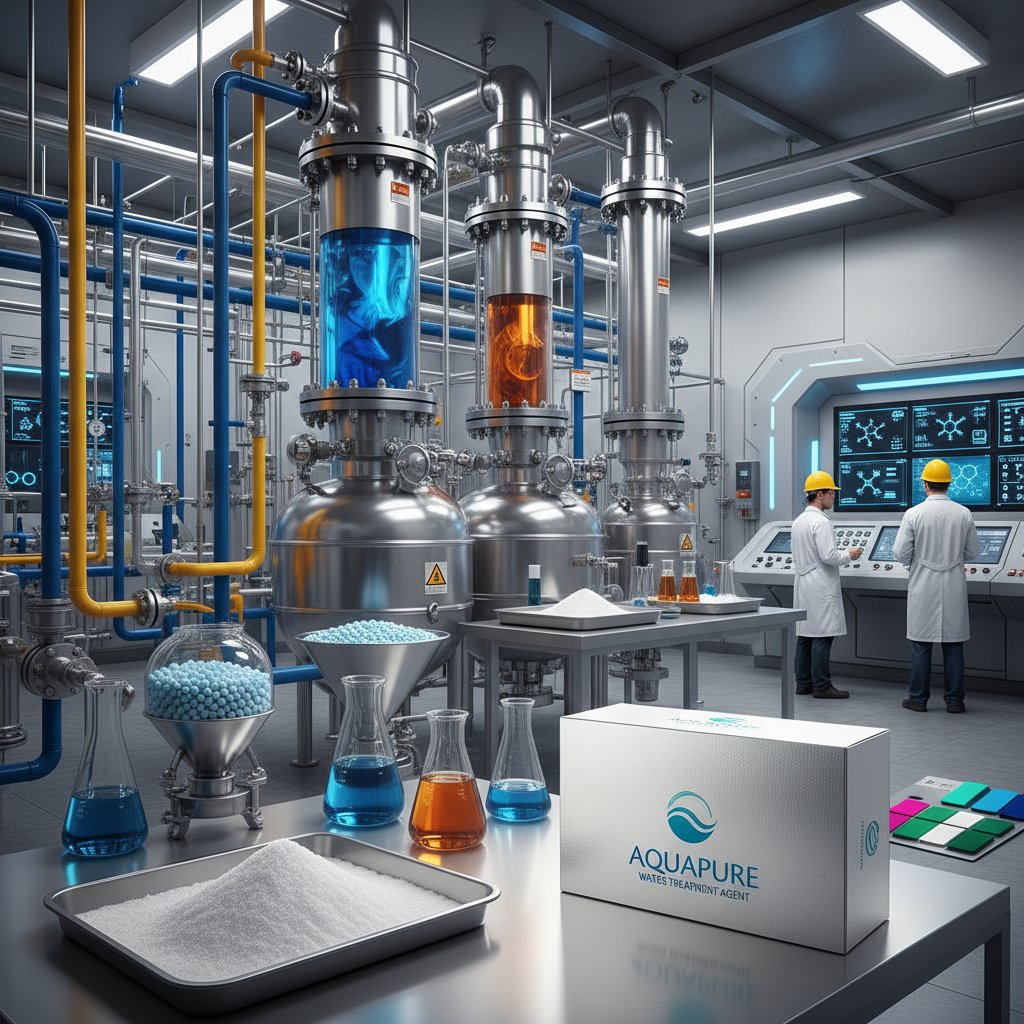
In simple terms, a Cyanuric Acid factory is a specialized chemical manufacturing plant designed to synthesize 1,3,5-triazine-2,4,6-triol. This process typically involves the thermal decomposition of urea, which, under controlled temperature and pressure, undergoes polymerization to form the stable triazine ring. This facility is not merely a production site but a precision engineering environment where chemical purity is measured in parts per million.
The connection to modern humanitarian needs is profound. By producing the precursors for disinfectants, a Cyanuric Acid factory indirectly supports the prevention of waterborne diseases. In regions where water scarcity is prevalent, the efficiency of chlorine stabilization provided by these chemicals ensures that treated water remains potable and safe for longer periods.
Furthermore, the role of the factory extends into the realm of fine chemicals and pharmaceutical intermediates. The triazine structure is a versatile building block used in the creation of specialized polymers and resins, making the output of a Cyanuric Acid factory essential for the development of high-performance coatings and medical-grade plastics.
Core Components of Manufacturing Excellence
Scalability is a primary driver for any Cyanuric Acid factory. The ability to pivot production volumes based on seasonal demand—specifically the peak summer months for pool chemicals—requires modular reactor designs and flexible feedstock pipelines. This ensures that the market is never undersupplied during critical hygiene periods.
Thermal Precision and Cost Efficiency are inextricably linked. In a Cyanuric Acid factory, the energy required to maintain the decomposition of urea is substantial. Implementing advanced heat exchangers and waste-heat recovery systems allows the facility to lower its operational expenditure while increasing the overall yield of the synthesis process.
Purity and Quality Control represent the final pillar of excellence. A leading Cyanuric Acid factory utilizes HPLC (High-Performance Liquid Chromatography) and automated titration to ensure that the final white crystalline powder is free from contaminants, which is critical for its use as a pharmaceutical intermediate in the Hydantoin series.
Global Applications and Strategic Use Cases
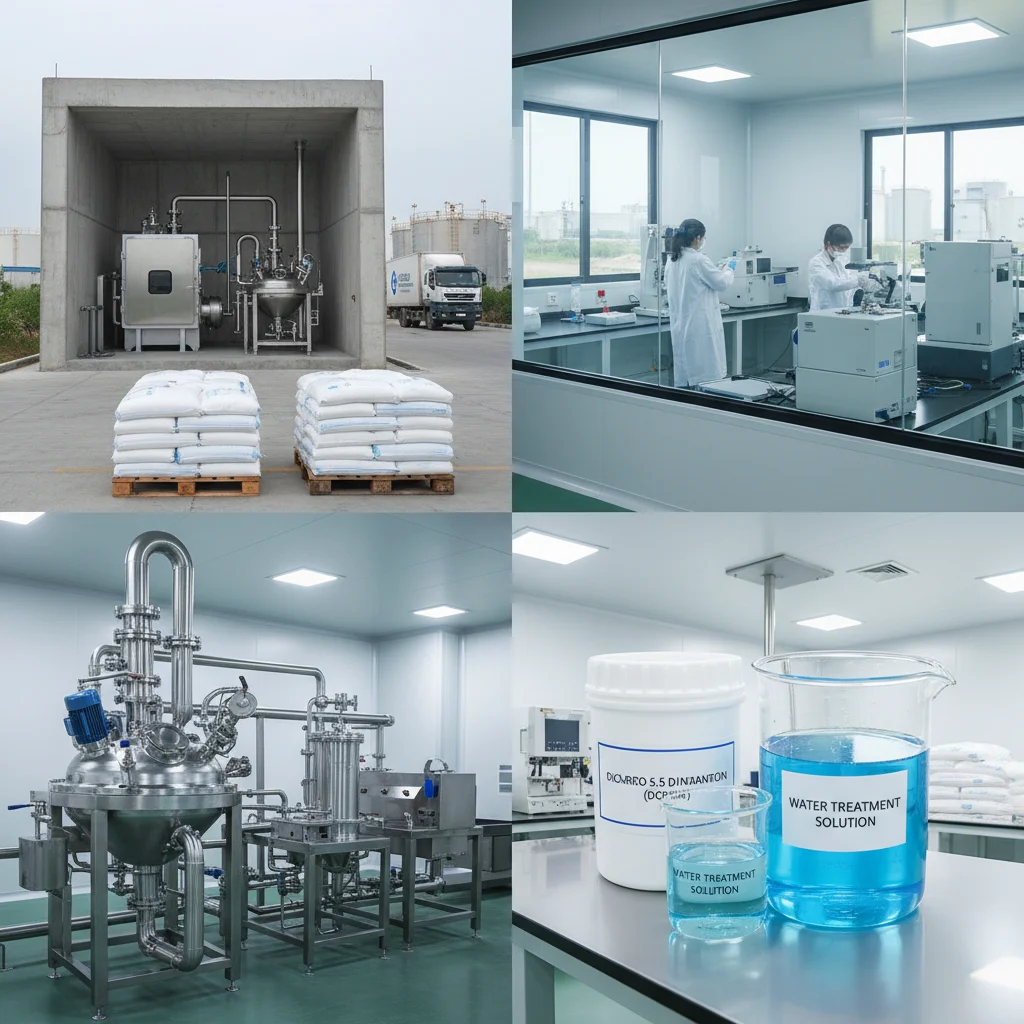
The application of products from a Cyanuric Acid factory spans multiple continents and industries. In North America and Europe, the primary focus is on the "Pool & Spa" sector, where the chemical acts as a stabilizer to prevent the sun's ultraviolet rays from dissipating free chlorine. This application is critical for maintaining the longevity of disinfection treatments in outdoor aquatic environments.
Beyond leisure, these chemicals are deployed in remote industrial zones for water cooling systems. In heavy manufacturing hubs across Southeast Asia, the stability provided by the output of a Cyanuric Acid factory prevents algae growth and corrosion in large-scale industrial heat exchangers, significantly reducing maintenance downtime for power plants and refineries.
Efficiency Ratings of Cyanuric Acid Factory Production Methods
Long-term Economic and Environmental Value
The long-term value of investing in a high-standard Cyanuric Acid factory extends beyond immediate profit. By optimizing the synthesis process, companies achieve a "stability of supply" that builds immense trust with global distributors of water treatment chemicals. This reliability reduces the risk of price spikes and ensures that municipal water systems can operate without interruption.
From an environmental perspective, the shift toward "Green Chemistry" within the Cyanuric Acid factory framework is creating sustainable value. The implementation of closed-loop water systems and the reduction of nitrogen-based waste streams not only satisfy regulatory requirements but also position the manufacturer as a leader in ESG (Environmental, Social, and Governance) standards, attracting ethical investment and long-term partnerships.
Future Trends in Chemical Synthesis Automation
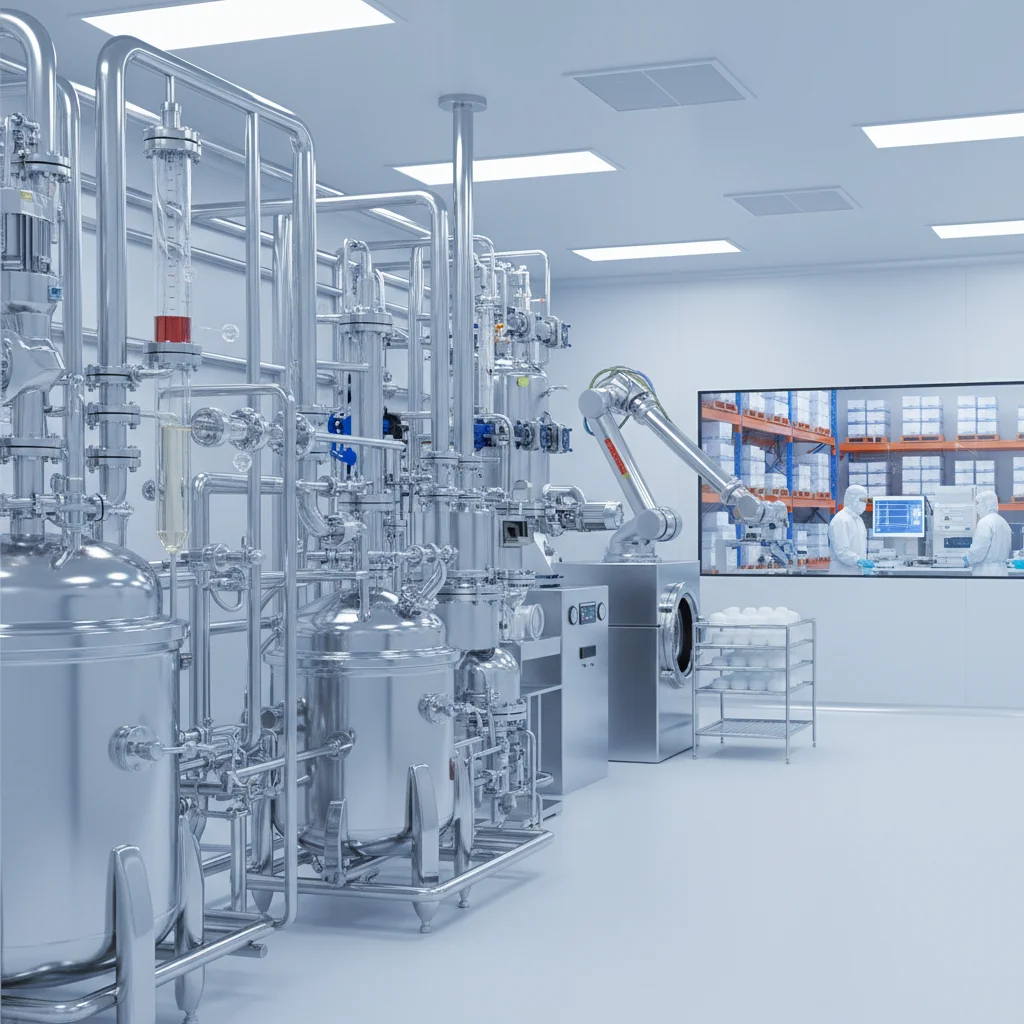
The next generation of the Cyanuric Acid factory is moving toward full digital transformation. The integration of AI-driven process control systems allows for real-time adjustment of reactor temperatures and pressure, minimizing the formation of unwanted by-products and maximizing the purity of the final triazine crystals.
Furthermore, we are seeing a trend toward the "Modular Factory" concept. Instead of massive, monolithic plants, new Cyanuric Acid factory designs utilize skid-mounted units that can be deployed closer to the end-user. This drastically reduces logistics costs and the risks associated with transporting bulk chemicals over long distances.
Sustainability is also driving the exploration of bio-based urea sources. Future Cyanuric Acid factory operations may soon decouple from fossil-fuel-derived ammonia, utilizing carbon-capture technology to synthesize the necessary precursors, thereby achieving a near-zero carbon footprint.
Overcoming Technical Challenges in Production
One of the most persistent challenges in a Cyanuric Acid factory is the management of corrosive by-products. The high-temperature environment required for urea polymerization can lead to significant equipment wear. To solve this, industry leaders are adopting advanced Hastelloy and titanium-lined reactors that offer superior resistance to chemical attack, extending the lifecycle of the facility's hardware.
Another hurdle is the energy-intensive nature of the crystallization process. Innovative factories are now employing vacuum-cooling crystallization techniques, which allow for more precise control over particle size and distribution. This ensures that the Cyanuric Acid factory produces a product that is easier to dissolve and handle for the end consumer.
Finally, waste gas treatment remains a priority. By implementing advanced scrubbers and ammonia recovery units, a modern Cyanuric Acid factory can convert potential pollutants into secondary revenue streams, such as ammonium sulfate fertilizer, turning a regulatory burden into a commercial advantage.
Technical Analysis of Cyanuric Acid Factory Operational Metrics
| Production Parameter |
Industrial Standard |
Optimization Impact |
Efficiency Score (1-10) |
| Thermal Stability |
250°C - 300°C |
Increased Yield |
9 |
| Product Purity |
≥ 98.5% |
Pharm-grade quality |
10 |
| Ammonia Recovery |
≥ 95% Recovery |
Waste Reduction |
8 |
| Energy Consumption |
Low-Energy Cycle |
Reduced OpEx |
7 |
| Crystal Morphology |
Uniform Granular |
Better Solubility |
9 |
| Cycle Time |
Continuous Flow |
Higher Throughput |
8 |
FAQS
A top-tier Cyanuric Acid factory is judged by the purity of its final product (typically ≥ 98.5%), the moisture content of the crystals, and the absence of heavy metal contaminants. High-quality production ensures that when the acid is converted into chlorinated isocyanurates, the resulting stabilizer is effective and does not introduce impurities into the water system.
Modern factories use advanced gas scrubbing systems to capture ammonia gas released during the urea decomposition process. This ammonia is often converted into ammonium sulfate, a valuable agricultural fertilizer. By closing the loop, the factory reduces its nitrogen footprint and complies with strict environmental regulations.
Yes, by implementing clean-room packaging and advanced purification steps like recrystallization, a factory can produce high-purity Cyanuric Acid suitable for the synthesis of pharmaceutical intermediates, such as those in the Hydantoin series, which require ultra-low impurity levels.
Traditional methods are energy-intensive, but modern facilities utilize heat integration and waste-heat recovery boilers. By recycling the thermal energy from the exothermic stages of the reaction, these factories significantly lower their energy consumption per ton of product produced.
Lead times vary by season, but a well-managed Cyanuric Acid factory typically maintains strategic reserves. For bulk industrial orders, lead times generally range from 2 to 6 weeks, depending on the required packaging (e.g., 25kg bags or 1000kg jumbo bags) and shipping destination.
You should request ISO 9001 (Quality Management) and ISO 14001 (Environmental Management) certifications. Additionally, for products destined for the EU or US, ensure the factory provides a comprehensive REACH registration or SDS (Safety Data Sheet) that conforms to GHS standards.
Conclusion
The operation of a sophisticated Cyanuric Acid factory is an essential link in the global chemical supply chain, providing the critical stabilization required for water hygiene and the molecular building blocks for pharmaceutical advancement. By balancing thermal precision, environmental stewardship, and rigorous quality control, these facilities ensure that the global market has access to reliable, high-purity chemicals that protect public health and enable industrial growth.
Looking forward, the integration of AI automation and green chemistry will redefine the efficiency of the Cyanuric Acid factory. For companies seeking a competitive edge, partnering with a manufacturer that prioritizes both purity and sustainability is no longer optional—it is a strategic necessity for long-term resilience. Visit our website to learn more: www.leache-chem.com